AI rendering or classical 3D rendering: which one your project needs
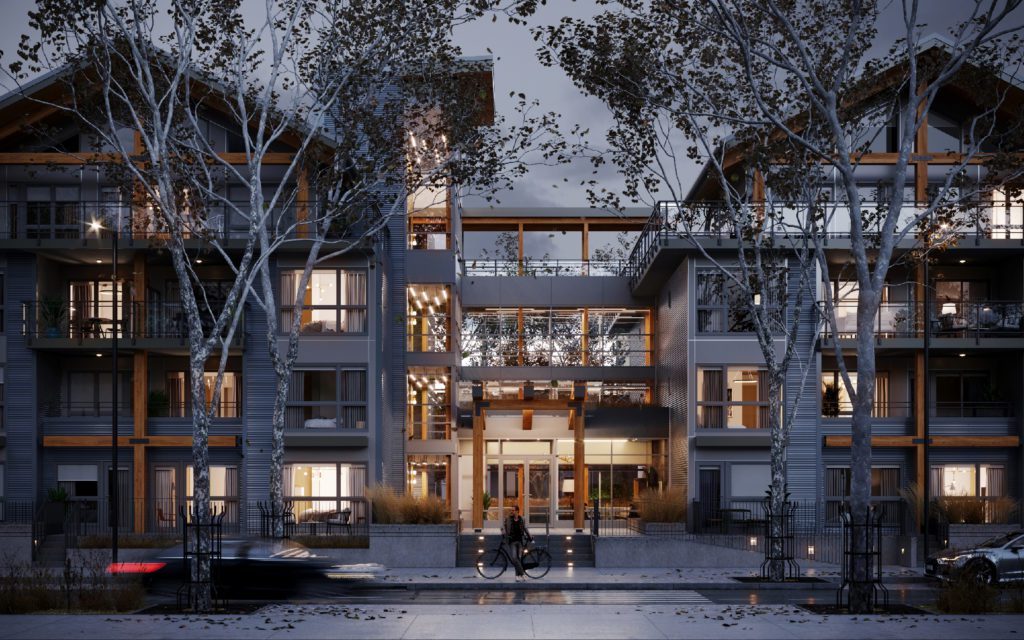
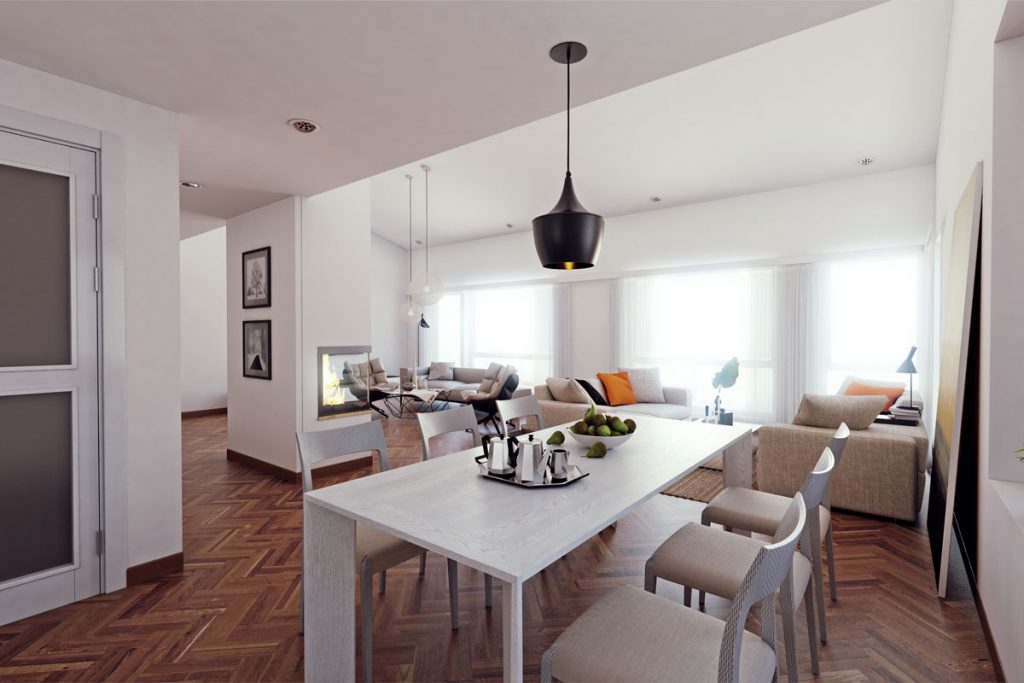
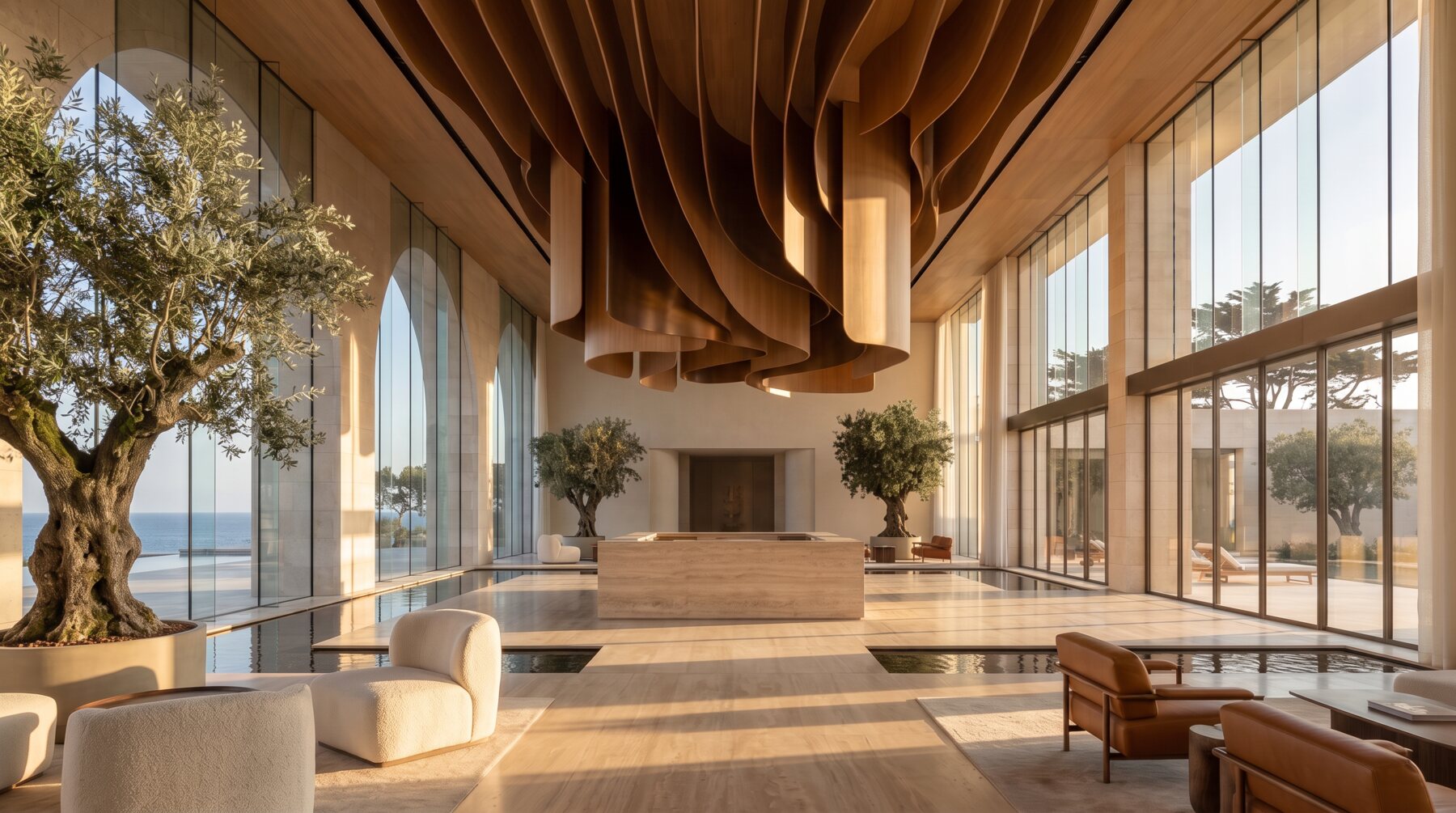
AI rendering is the use of AI image models to turn a sketch, a 3D model viewport or a written brief into a photographic image. Classical 3D rendering builds the whole scene as geometry first, assigns real materials and lights, and calculates the image from it. Both produce a picture of a building that does not exist yet. They are not interchangeable, and choosing the wrong one is the most common way a visualisation budget gets wasted in 2026.
This is written for the people who commission the images: developers, architects, agents and interior designers. Not for the artists making them.
The short version
Use AI when the question is how it feels. Use a model when the question is how it measures. Most projects need both, at different moments, and the useful skill is knowing which moment you are in.
What classical rendering actually gives you
A classical render is built on geometry. Every wall is where the drawing says it is. The sun is in the right place for the date and the coordinates. If the window head height changes by ten centimetres, the image changes with it.
That is what you pay for, and it is the only reason to pay for it. A classical render can go in front of a planning committee, into a sales contract, or next to a dimensioned plan, and survive someone checking it against the drawings.
It is slower, and it costs more, because the model has to exist before the first image does.
What AI rendering actually gives you
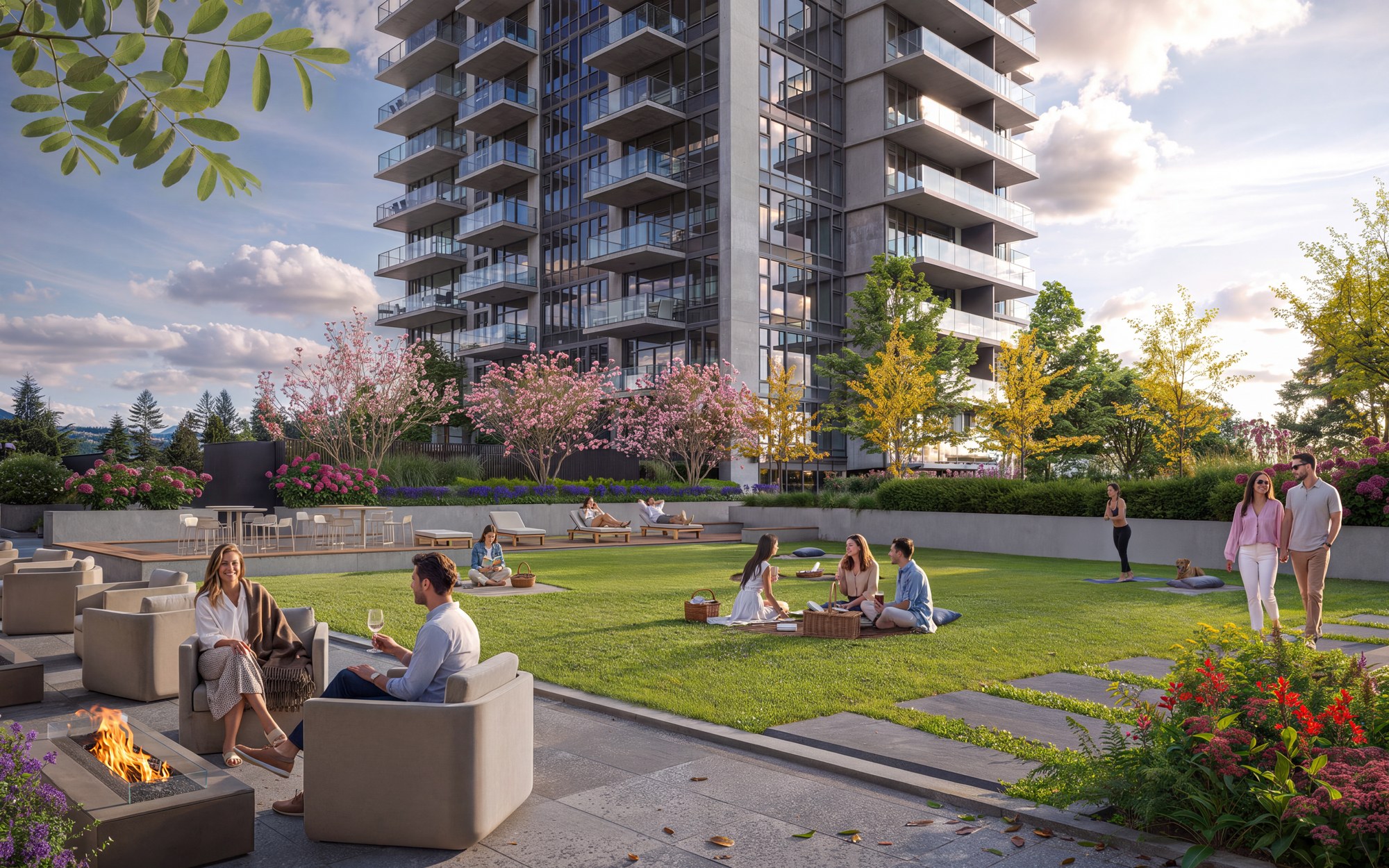
An AI render is built on an image model. It produces something that looks like architecture, extremely fast, from very little input. Give it a hand sketch and a reference, and you have five directions in an afternoon.
What it does not have is geometry underneath. It does not know that your building is 14.2 metres wide. It does not know that there are nine windows and not eight. It produces a convincing picture of a building like yours, and the closer you look, the more it drifts.
That sounds like a criticism. It is not. At the concept stage, drift is the point: you are trying to find the idea, not document it.

Four places AI clearly wins
Concept and mood, before anything is drawn
When the decision on the table is a feeling, and building a model to answer it would cost more than the decision is worth.
Variations of the same scheme
The same building in four materials, two seasons and three times of day. In classical rendering each variant is real work. With AI the second, fifth and tenth variant are nearly free, and this is where the cost difference is genuinely dramatic.
Reviving images that already exist
Renders from an earlier stage that still show the right building but look their age. They can be rebuilt to current quality without rebuilding the model, which is the cheapest good image most developers already own and do not know about.
Volume for marketing
Social content, ad variants, mood boards. Material that has to exist in quantity and be replaced next month.
Four places AI loses, and loses badly
Anything that has to match the drawings
Facade rhythm, floor heights, balcony depths, the number of storeys. If a buyer or a committee can hold the image next to the plan, the image has to come from the plan.
Sun and shadow
A solar study is geometry and astronomy, not atmosphere. An image model will put the light wherever the picture looks best, which is not the same as where the sun is on 21 December.
Consistency across a set
Twelve images of one development that have to be recognisably the same building. AI drifts between generations. A model does not.
Anything with legal weight
Planning submissions, contracts, marketing material in jurisdictions where misleading property imagery carries consequences. If the image is a claim, it needs to be built on something you can defend.

The rule we use
Before any image is made, one question: can someone later hold this picture next to a drawing and find a difference that matters? If yes, geometry comes first and AI is used only on the finish. If no, AI alone is faster, cheaper and completely appropriate.
Most projects cross that line somewhere in the middle. The early boards are AI. The sales material is a model. The social cuts go back to AI. A studio that only offers one of the two will tell you your project is the kind they do.
What it costs to get this wrong
Two failures, both expensive and both common.
The first: paying for classical renders at concept stage. You commission six images of a scheme that changes three weeks later, and you pay again. This is the traditional way to burn a visualisation budget and it predates AI by twenty years.
The second, newer and uglier: taking AI images into sales. The brochure shows a building with a different window rhythm from the one being built. Buyers notice at handover, and in several markets that is not just embarrassing.
How to brief either one
Say what has to be exact. That single sentence in your brief decides the method, the price and the timeline. If the roof pitch and the plot boundary cannot move, say so. If nothing is fixed yet and you are looking for a direction, say that instead, and ask for options rather than one polished image.
Send whatever exists: a sketch, an elevation, a grey viewport screenshot, a full model, photographs of the site. And send two or three reference images of work you like. That tells a studio more in a minute than a page of adjectives.
Where we stand
We do both, which is the only reason this article can be honest. AI architectural visualization for concepts, variations and speed. Classical exterior and interior rendering when the image has to hold up against the drawings. AI video when it has to move.
Send what you have and tell us what it is for. If your project belongs on the other side of the line, we will say so in the first reply, before anyone has paid for anything.